
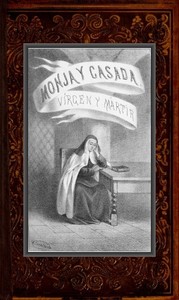
Monja y casada, vírgen y mártir by Vicente Riva Palacio
Let's set the scene: it's 16th-century Mexico, under Spanish colonial rule. The air is thick with religious fervor and fear of the Inquisition. Our heroine, Mariana de Carbajal, is a beautiful young woman from a wealthy family. Her life is not her own. To secure their social standing, her family forces her to take holy vows and become a nun at the Convent of San Jerónimo. There's just one massive, dangerous problem: Mariana is already secretly married to a man named Alonso.
The Story
The plot kicks into high gear from there. Mariana enters the convent, living a terrifying double life. By day, she's Sor Mariana, a novice nun. By night, she's a heartbroken wife, clinging to the secret of her marriage. The tension is relentless. Every whispered conversation, every stolen glance, could be her undoing. The shadow of the Inquisition looms over everything. When a malicious nun, Sor Agustina, begins to suspect Mariana's secret, the investigation starts. What follows is a harrowing look at the machinery of power, betrayal, and religious hypocrisy. The story is based on the real-life case of a nun named Mariana de Carbajal, which Riva Palacio discovered in the Inquisition's archives, making the injustice and drama feel even more potent.
Why You Should Read It
First, Mariana is a fantastic character. She's not a passive victim; she's clever, resilient, and fiercely protective of her truth in a world designed to crush her. You're rooting for her every step of the way. Second, the book is a masterclass in suspense. Riva Palacio, who was also a politician and journalist, writes with a sharp, engaging style. He doesn't just give you dry history; he pulls you into the cloistered halls and makes you feel the paranoia. Beyond the thriller elements, it's a powerful critique. The novel boldly exposes the corruption within the Church and the colonial system, showing how institutions often valued power and reputation over genuine faith or human happiness. It’s a story about a woman’s body and soul being used as a political bargaining chip, which sadly, still resonates today.
Final Verdict
This is a book for readers who love historical fiction that feels urgent and alive. It's perfect for anyone interested in Latin American history, stories of resistance, or legal/religious dramas. If you enjoyed the atmosphere of The Crucible or the feminist undercurrents of The Handmaid's Tale, you'll find a fascinating ancestor here. Be prepared for some old-fashioned language (it was published in 1868), but push through—the story's heart, with its themes of love, injustice, and defiance, beats as strongly now as it did then. It's a hidden gem that deserves more attention.
Mason Sanchez
5 months agoVery interesting perspective.
George Nguyen
1 year agoIf you enjoy this genre, the atmosphere created is totally immersive. Exceeded all my expectations.
Susan Jones
1 year agoA bit long but worth it.






Deborah Robinson
4 months agoI started reading out of curiosity and the arguments are well-supported by credible references. A valuable addition to my collection.