
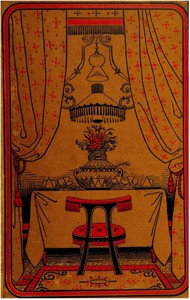
Modern cookery for private families by Eliza Acton
Let's set the scene: London, 1845. Most cookbooks were a mess. They were written for professional chefs with armies of kitchen staff, full of vague instructions like "cook it until it's done" or "add some spice." Into this chaos steps Eliza Acton, a poet who turned to food writing. Her mission was simple but revolutionary: create a reliable guide for ordinary people running a household.
The Story
There's no fictional plot, but the story is Acton's quiet rebellion. She organized her book with a radical clarity we now take for granted. Each recipe starts with a precise list of ingredients, followed by clear, numbered steps. She specified cooking times and temperatures. She included economical family meals alongside more elaborate dishes, always with an eye on practicality. This was a direct challenge to the opaque, wasteful cooking guides of her day. She tested every recipe herself, which was almost unheard of. The book covers everything from soups and breads to curries and preserves, painting a picture of a Victorian kitchen that was surprisingly global and adaptable.
Why You Should Read It
Reading Eliza Acton is a joy because her voice is so clear and confident. You can feel her frustration with bad recipes and her determination to fix them. She writes with a warmth that makes you trust her. It's fascinating to see dishes we think of as modern, like her detailed instructions for making a genuine curry powder from scratch, appearing here. More than just recipes, you get a sense of her personality – her insistence on quality, her clever tips for saving money, and her clear love of good food shared with family and friends. It connects you directly to the daily life and concerns of a home cook from a different century, and you realize those concerns haven't changed all that much.
Final Verdict
This book is a treasure for food lovers and history nerds alike. It's perfect for anyone who enjoys cooking and wants to understand where our modern recipes came from. If you like shows about historical food or reading old diaries, you'll be captivated. It's also a great pick for writers, as a masterclass in clear, instructional prose. Don't expect glossy photos; expect a conversation with a pioneering woman whose common sense changed kitchens forever. Keep a copy in your kitchen. You might just find yourself making her apple pie.
Aiden Ramirez
6 months agoI was skeptical at first, but the depth of research presented here is truly commendable. I couldn't put it down.
Mark Lewis
2 months agoI have to admit, the character development leaves a lasting impact. Thanks for sharing this review.


Margaret Clark
5 months agoA bit long but worth it.