
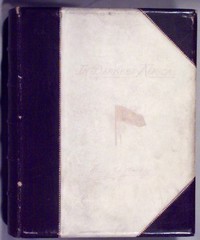
In Darkest Africa, Vol. 2; or, The Quest, Rescue, and Retreat of Emin, Governor…
Let's be clear from the start: this is not an easy adventure story. Henry Morton Stanley, the man who famously found Dr. Livingstone, is back with a mission that makes his first look like a stroll in the park. The British government asks him to find and rescue Emin Pasha, a European governor stranded in Equatoria (modern-day South Sudan/Sudan) after a revolt cuts him off. Stanley agrees, but his plan is huge, expensive, and flawed from the beginning.
The Story
The book picks up with Stanley's enormous expedition already struggling. He splits his forces, leading one group through the dense, deadly Ituri Rainforest—a nightmare of disease, starvation, and constant attacks. The other group, meant to follow with supplies, falls apart. What was meant to be a heroic rescue becomes a fight for survival. Stanley finally reaches Emin, but the governor is hesitant to leave. After much debate, a retreat is decided. But getting out is even harder than getting in, marked by skirmishes, desperate marches, and the grim reality of leaving people behind. The 'rescue' feels less triumphant and more like a desperate escape.
Why You Should Read It
You read this for the unfiltered voice. Stanley writes with a driven, sometimes defensive, always intense energy. You see his determination, his frustration, and his clear-eyed descriptions of suffering. It pulls you into the mind of a Victorian explorer—all his confidence and his blind spots. The book forces you to sit with the human cost of these grand expeditions. It's not glamorous; it's men dying of fever, porters deserting, and moral compromises piling up. The heart of the story is the tension between a stated noble goal and the messy, often brutal, actions required to achieve it.
Final Verdict
This is for readers who love real historical adventure but want the unvarnished truth, not the myth. It's perfect for history buffs interested in the 'Scramble for Africa,' armchair explorers with a strong stomach, and anyone who enjoys complex, flawed first-person narratives. Be ready for a challenging read—the prose is dense and the subject is heavy—but it’s a powerful, primary-source window into a pivotal and painful moment in history. You won't come away cheering, but you will come away thinking.
Kimberly Johnson
1 year agoI had low expectations initially, however the clarity of the writing makes this accessible. I would gladly recommend this title.
Karen Robinson
1 year agoThe formatting on this digital edition is flawless.







Noah Scott
8 months agoHaving read this twice, the arguments are well-supported by credible references. I will read more from this author.